

Water Safety
The information on this page is provided in good faith using resources from Royal Life Saving Society UK and RNLI Lifeboats. For further information, please visit either of these sites and search for water safety.



Beach Flags

Black & White Chequered
Zone is only safe for non-powered craft like surfboards, stand-up paddleboards and kayaks.
Do not swim or bodyboard here.

Red & Yellow
Lifeguard on duty or patrolling this zone.
Safe to swim.

Red
The sea is dangerous due to weather conditions. Represents severe hazard and is not safe for swimming or non-powered crafts.
Do not enter the water.
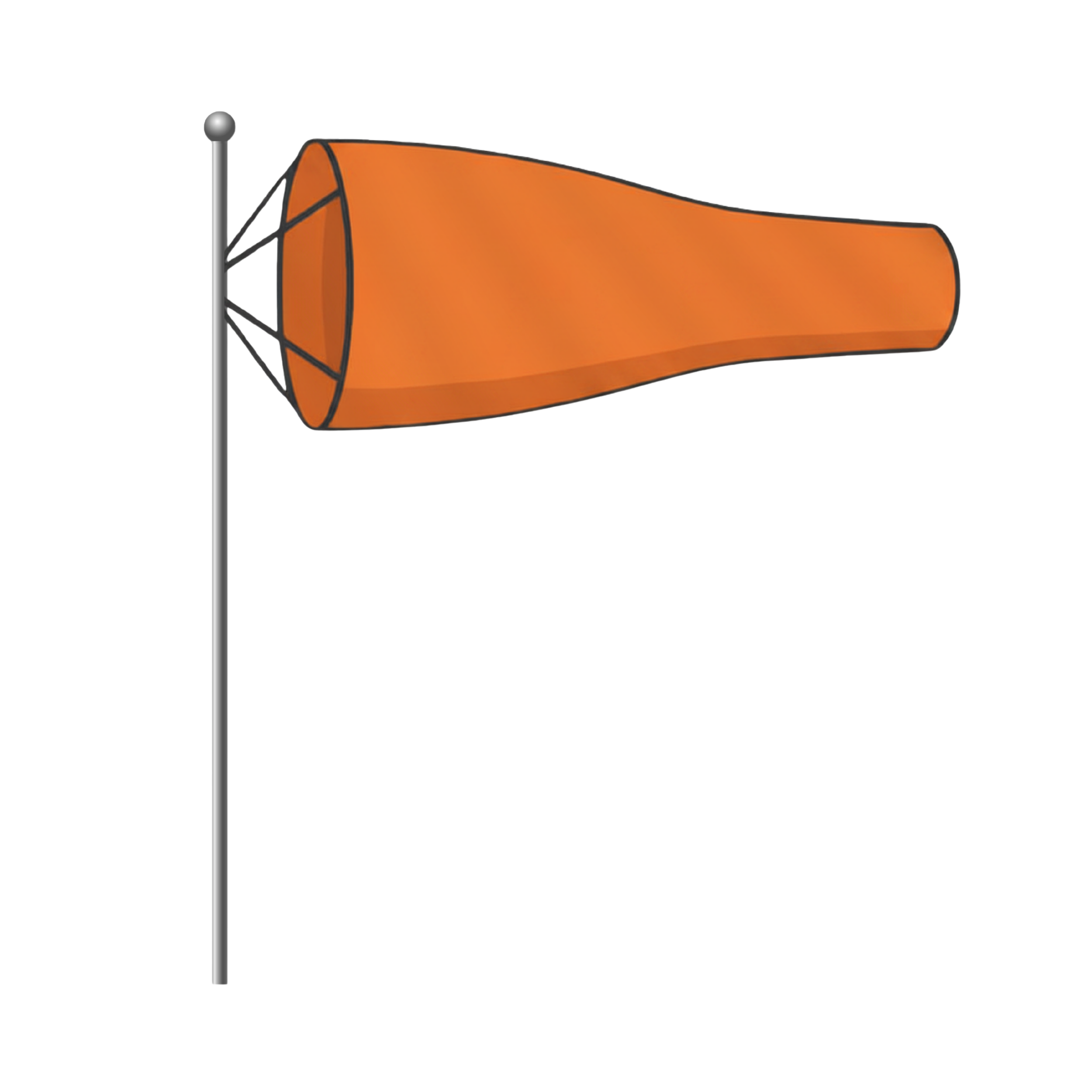
Orange Windsock
Strong winds on and offshore. It’s fine to swim, but
do not use inflatables.
Float to Live
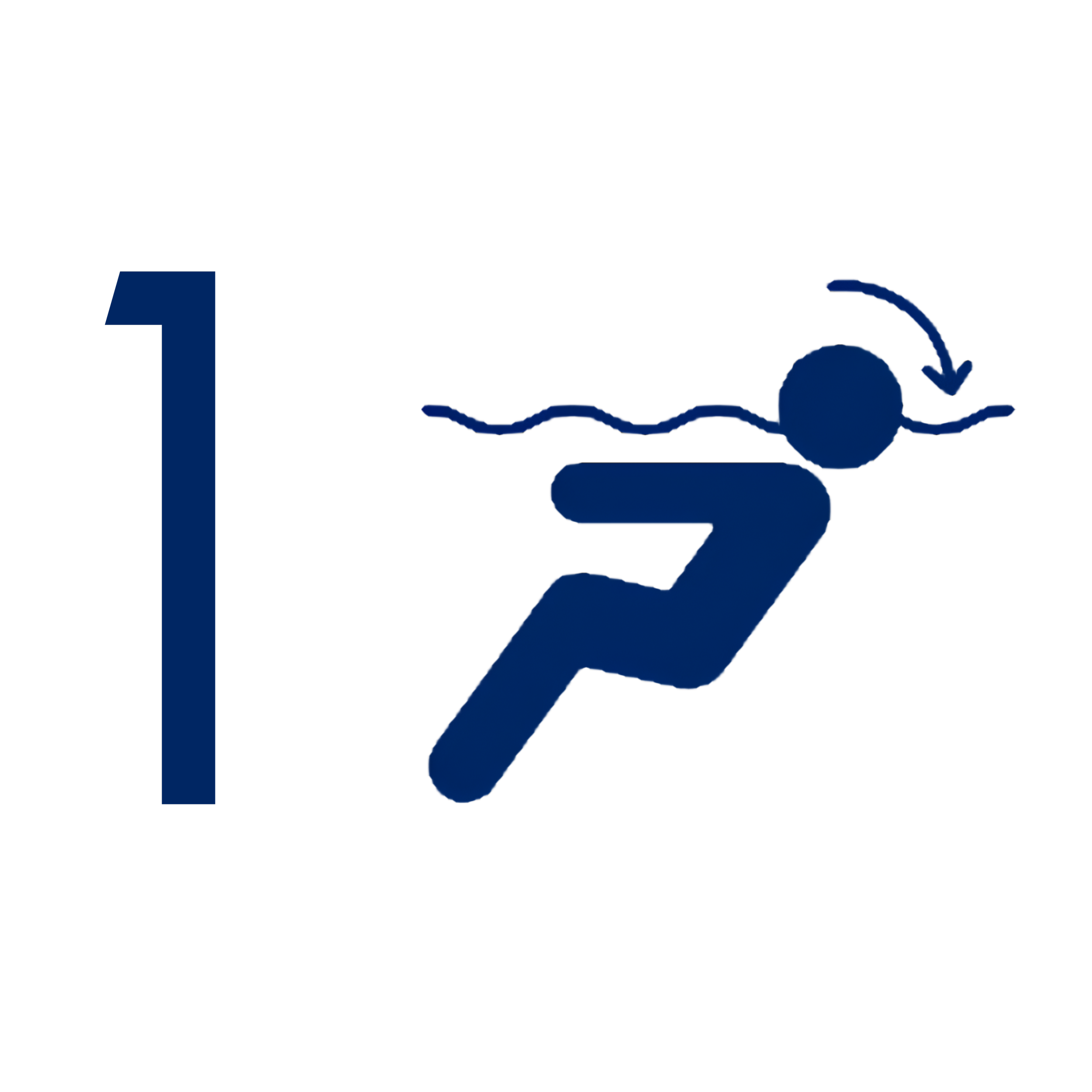
Tilt your head back
Submerge your ears

Relax & breathe
Control your breathing

Move hands & legs
Helps you stay afloat
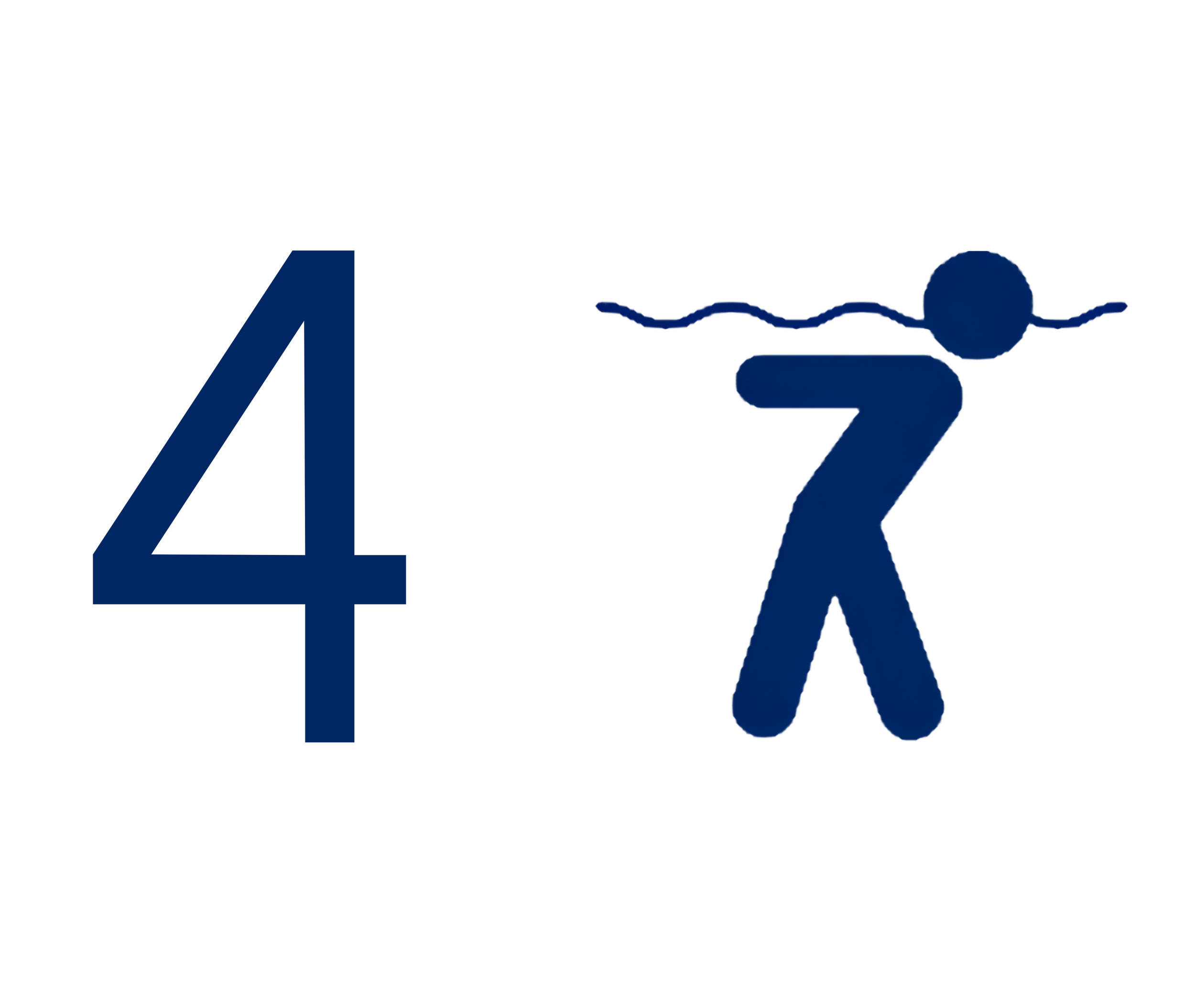
Your legs may sink
Everyone floats differently

Find how you float
Practise in a safe place
Rip Currents
What is a Rip Current?
Rips are strong currents that can quickly drag people and debris from the shoreline into deeper water.
They typically flow at one to two mph but can reach up to five mph, which may not sound fast but is faster than an Olympic swimmer.
They are commonly found in the sea, river mouths, estuaries, and man-made structures such as piers and groynes.
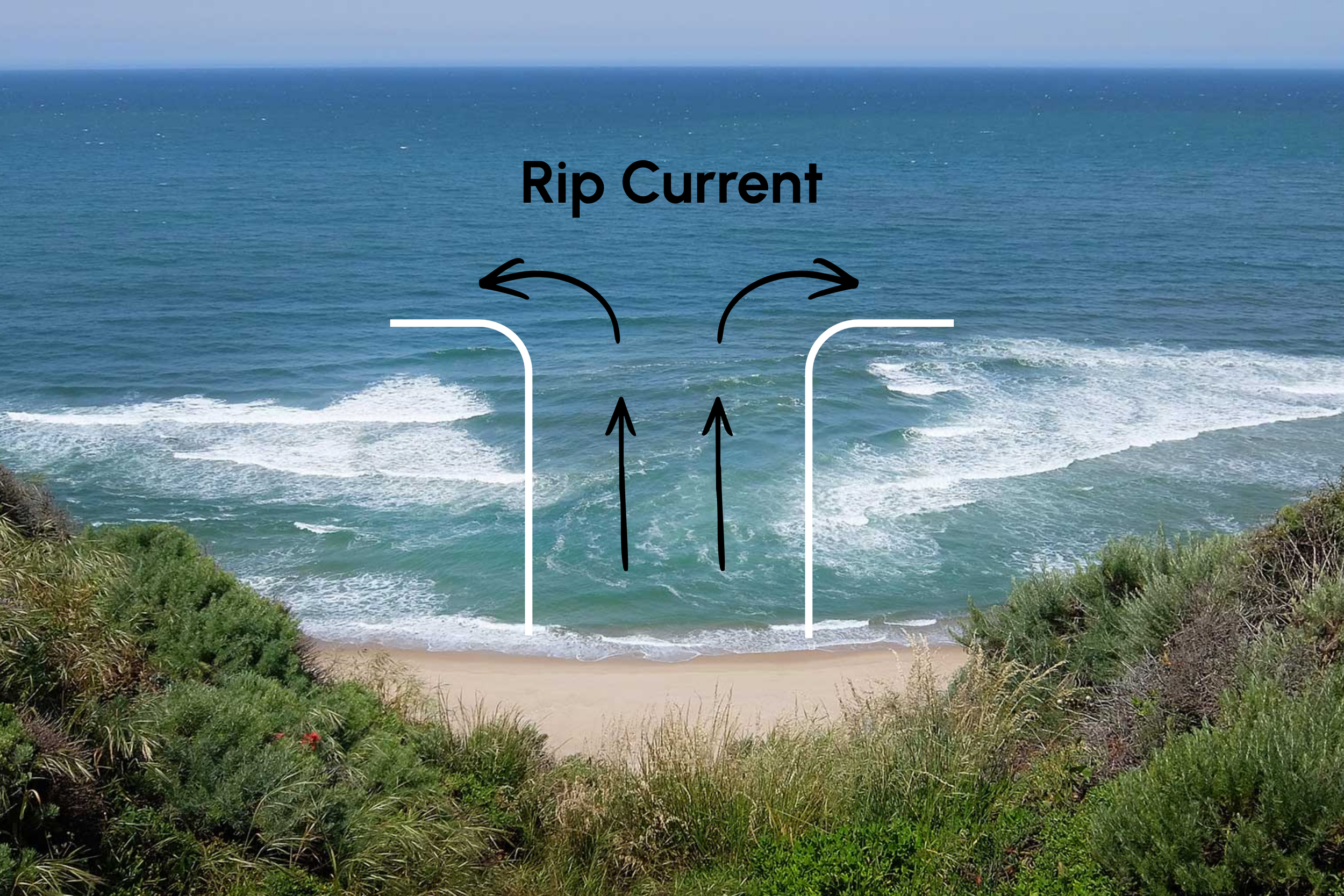
How can you spot a Rip Current?
They can be fairly tricky to spot at times, but look out for a channel of churning, choppy water on the sea's surface. You may see the incoming waves on either side of a more gentle-looking wave, sometimes with no white at the tip of the wave.
What should you do if you get caught in a Rip Current?
If the water is shallow enough for you to do so, stand and wade through the current back to the shore.
If the water isn't shallow enough to do so, then swim parallel to the shore until you escape the current. If you swim towards the shore, you’ll be trying to fight against the current as it pulls you out. This will tire you out and can cause you to be swept further from the shore.
Try to raise a hand and shout while you’re swimming to signal that you need help.
What should you do if someone else gets caught in a Rip Current?
Always look for the lifeguard first. If you can’t find one, then call 999 or 112 and ask for the coastguard.
Tips:
Always swim on a beach with a lifeguard and always swim between the red and yellow flags, which have been marked as safe to swim in areas.
Cold Water Shock
What is Cold Water Shock?
Cold water shock is what we call the body’s involuntary reaction to sudden immersion in water below the temperature of 15°C.
What happens to the body?
The cold water causes the body to go into shock and affects your ability to move. Blood vessels quickly constrict, causing you to gasp for air, panic and hyperventilate. If in deep waters, this can cause inhaling and choking on water. And in some cases, the shock can cause a heart attack.
The Gasp Reflex:
An involuntary, deep gasp for air. In choppy water or while submerged, this gasp almost always leads to inhaling water.
Cardiac Strain:
Blood vessels near the skin close up, causing your heart rate and blood pressure to spike. This forces the heart to work much harder and can trigger a fatal heart attack, even in young, healthy swimmers.
Hyperventilation:
Breathing rates can increase up to ten times, causing dizziness and panic.
How to survive Cold Water Shock
Float
Try to stay calm. Turn onto your back and extend your arms and legs to help keep your airway above water.Wait
The involuntary gasping and panic will pass in roughly 60 to 90 seconds. Try counting to shift your focus and calm yourself.Control
Take control once your breathing becomes stable. Call for help or look for something to hold onto to help you float.
How to prevent Cold Water Shock
Acclimatise
Enter the water slowly and allow your body to adjust to the temperature.Gear
Use a buoyancy aid, preferably a lifejacket.Aware
Know the risks of cold-water swimming and that the body can suffer cold water shock in unexpected waters. The average temperature of the sea in the UK and Ireland is around 12°C, even in the summer months.
If you plan on cold-water swimming
What to do in an emergency
If someone else is in trouble:
If you spot someone in trouble out in the water, on the beach or on the coast, call 999 or 112 and ask for the Coastguard.
If you are inland and someone is having trouble in a lake or a river, call 999 and ask for Fire & Rescue.
If someone needs help and they are in a swimming pool, shout for the lifeguard.
If you are in trouble:
If you're stuck in a rip current, swim parallel to the shore.
If you're struggling to swim, float on your back.
If you've got cold water shock, float on your back, wait for your breathing to calm, then call for help.
Coast: 999 or 112 for Coastguard
Inland: 999 for Fire & Rescue

For more resources on water safety, please look at: